Maintaining a healthy diet can be challenging when you have a busy schedule. Work, travel, workouts, and daily responsibilities can make it difficult to prepare balanced meals every time. Meal replacements can offer a convenient option when you need a quick, portion-controlled source of nutrition without spending a lot of time preparing food.
For fitness enthusiasts, meal replacements can be useful when incorporated into an overall balanced eating plan. They can help make nutrition more convenient while supporting your daily protein and calorie goals, depending on the product and your individual requirements.
1. What Are Meal Replacements?
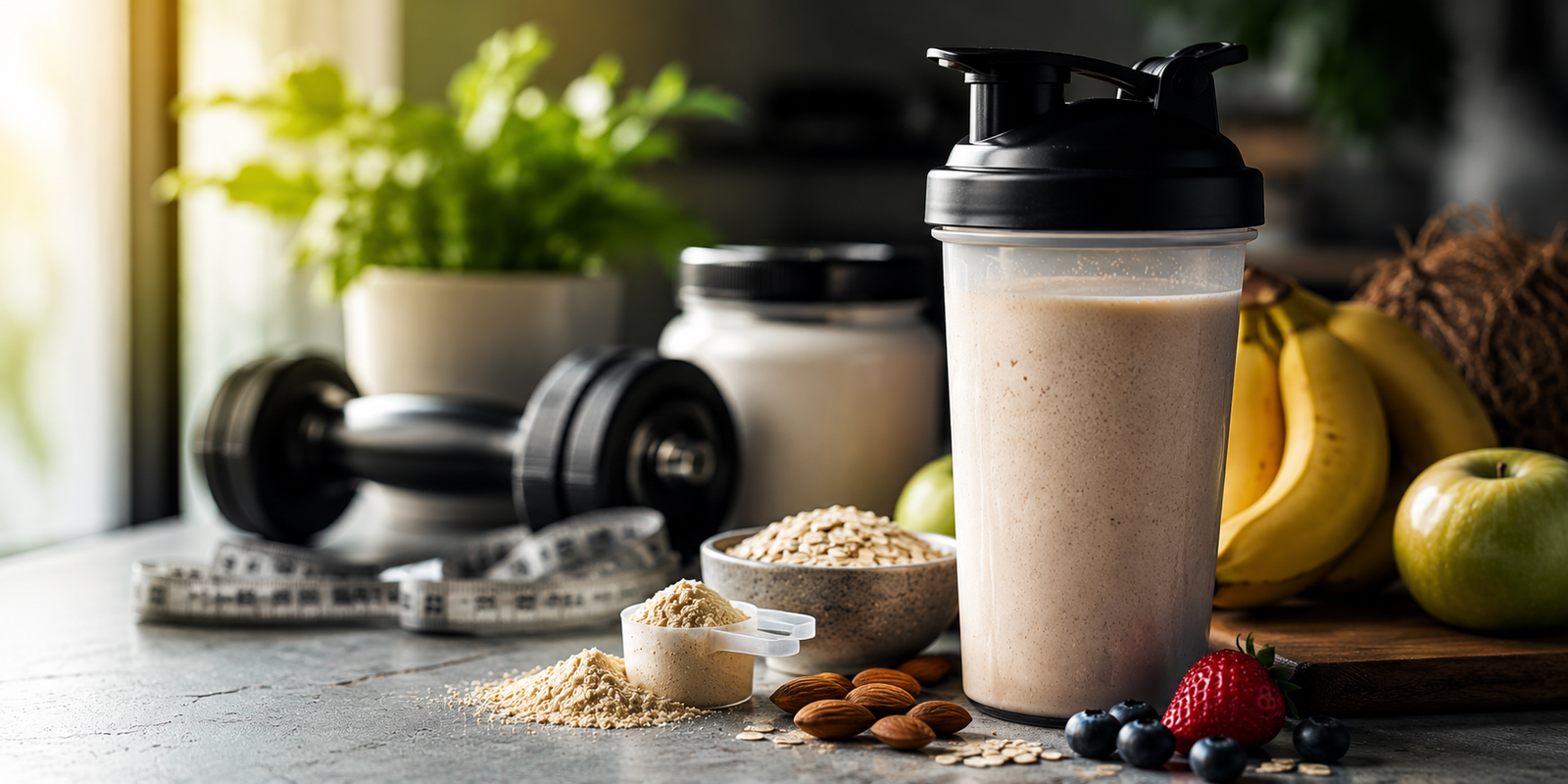
Meal replacements are specially formulated products designed to provide some of the nutrients normally obtained from a meal. They may come in the form of shakes, powders, bars, or ready-to-drink beverages.
Depending on the product, a meal replacement may contain protein, carbohydrates, fats, vitamins, and minerals. The nutritional content can vary significantly, so checking the product label is important when choosing an option that fits your goals.
2. Convenient Nutrition for Busy Days
One of the biggest advantages of meal replacements is convenience. Preparing a complete meal is not always practical, especially when you are working, travelling, or moving between different commitments.
A meal replacement can provide a quick option when preparing food is difficult. Keeping a suitable product available can make it easier to stay consistent with your nutrition routine instead of regularly skipping meals or relying on less nutritious convenience foods.
3. Supporting Your Protein Intake
Protein is an important part of a fitness-focused diet because it provides amino acids that the body uses to build and maintain muscle. Depending on the product, meal replacements can provide a convenient source of protein between meals or around a busy training schedule.
However, meal replacements should complement a balanced diet rather than completely replace whole foods. Foods such as eggs, dairy, fish, lean meats, legumes, fruits, and vegetables provide a wide range of nutrients that are important for overall health.
4. Helping With Portion Control
Managing total calorie intake is an important consideration for people working toward weight-loss goals. A meal replacement with clearly stated serving information can make it easier to understand how much you are consuming.
This can be particularly useful for people who struggle with portion sizes or need a convenient option that fits within their planned daily calorie intake. Weight management still depends on your overall eating pattern, activity level, and individual energy needs.

5. Supporting Your Fitness Routine
Fitness goals require consistency. Whether your focus is losing body fat, maintaining muscle, improving strength, or simply becoming more active, your nutrition should support your training routine.
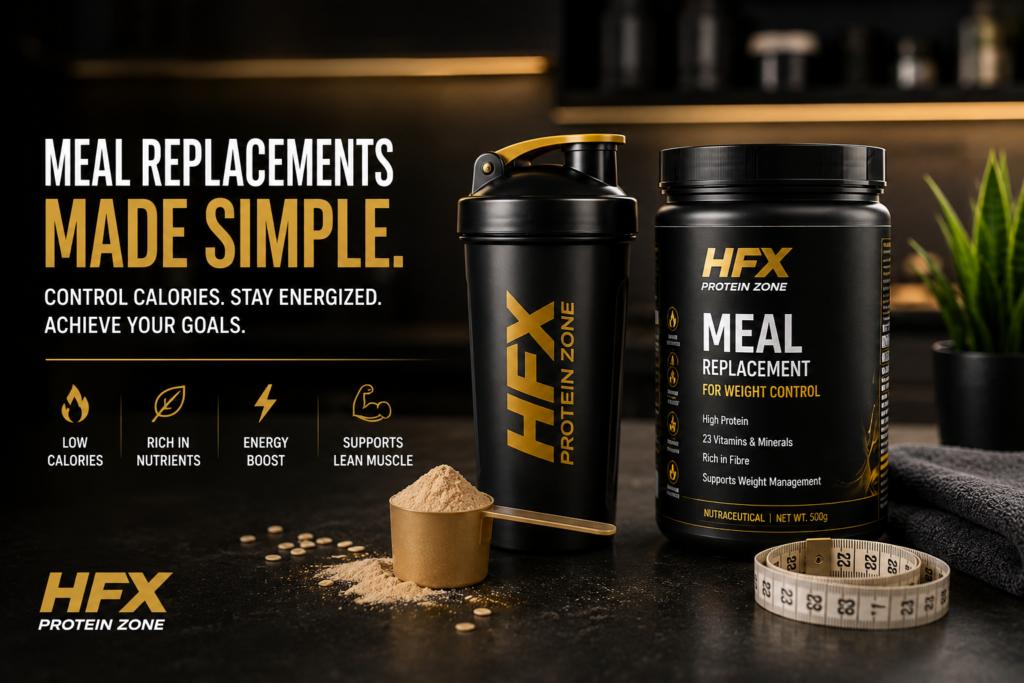
A meal replacement can be useful before or after training when a regular meal is not convenient. Choosing a product that provides appropriate protein and other nutrients can help you stay on track with your overall nutrition plan.
6. Choosing the Right Meal Replacement
Not every meal replacement is the same. Before choosing a product, check the nutrition label for protein, calories, carbohydrates, fats, fiber, and added sugars.
Consider your personal goal as well. Someone focused on weight management may prioritize calorie and protein content, while someone with higher energy requirements may need a product with more calories and carbohydrates.
7. Meal Replacements Should Not Replace Every Meal
Although meal replacements are convenient, whole foods should remain an important part of a balanced diet. Fruits, vegetables, whole grains, lean proteins, dairy or alternatives, nuts, and other nutrient-rich foods provide variety and nutrients that can be difficult to replicate completely in a single product.
Think of meal replacements as a practical tool rather than a replacement for healthy eating as a whole. Use them when convenience is needed while continuing to build your diet around nutritious whole foods.
Conclusion
Meal replacements can be a convenient addition to a fitness-focused nutrition plan, especially when a busy schedule makes preparing a regular meal difficult. They can help provide protein and other nutrients while making portion and calorie management easier.
For sustainable weight loss and fitness progress, combine sensible nutrition with regular exercise, adequate hydration, quality sleep, and consistent habits. At HFX Protein Zone, we believe that smart nutrition should fit your lifestyle and help you stay committed to your goals.
Discover trusted fitness supplements at HFX Protein Zone, carefully selected to support your training, performance, and everyday wellness. Stay consistent, stay strong, and reach your fitness goals.
Follow Us!
Contact Us
+91 85900 27731
hfxproteinzone@gmail.com